

High Country Trail Shoe







THERE AND BACK AGAIN
By Brent Terry
“Go back?” he thought. “No good at all! Go sideways? Impossible! Go forward? Only thing to do! On we go!” – Bilbo Baggins, The Hobbit, or There and Back Again
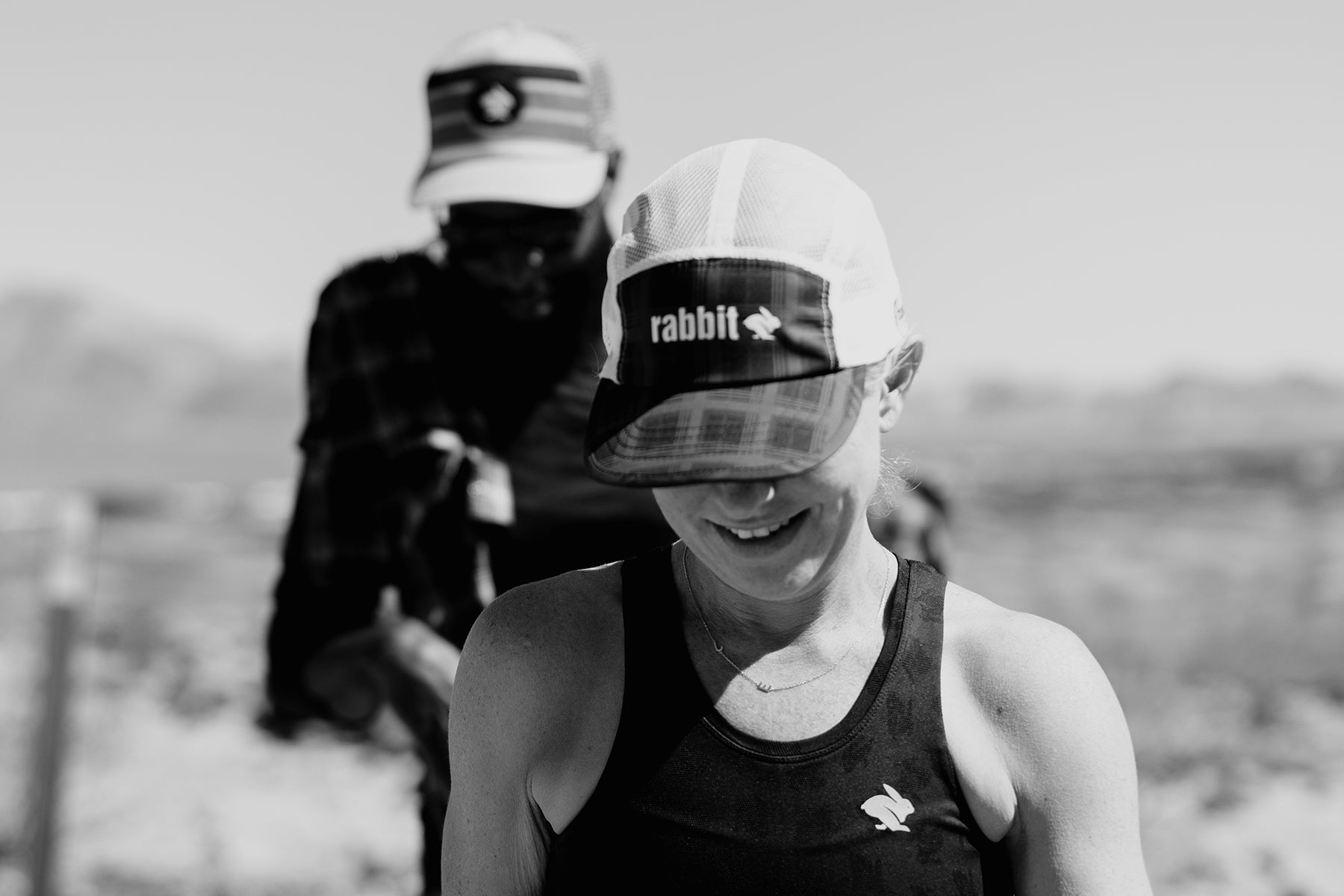
You don’t need a machine to travel back in time. And you don’t need a Holy Gail, nor windmills to tilt at, nor a magic ring to go on a quest. To travel back in time, you just need a canyon deep enough, a river relentless enough, and a path wide enough to follow as you peel back (in this case) nearly two billion years of geologic history. For a quest, you need only a noble idea, a few hardy and like-minded companions, and a good pair of shoes. This story is about five runners and their quest to travel in time, to descend on foot from the South Rim of Arizona’s Grand Canyon to the canyon’s bottom, cross the Colorado River, ascend the far wall of the canyon to the north rim, then turn around and do it all again in the reverse direction. And it is about Beneath the Rim, the film that chronicles the runners as they tackle a quest that is equal parts communal and deeply personal.
The true nature of any quest is more about the journey itself than the goal achieved. It’s more about the personal dragons battled, the lessons learned during the sixteen-hours of dancing with dirt, the baggage tossed over the edge and into the river, than it is the hardware. The film captures this as well, in eloquent soliloquys and even more eloquent closeups. Ostensibly, all quests are in service to a goal: bring home the chalice, slay the dragon, throw a cursed bauble into a volcano. Or in this case, knock-off a classic ultra-running route, the Rim-to-Rim-to-Rim (R2R2R) a double traverse of America’s most epic natural feature. But all quests, too, are about community: the bonds between those dreaming the impossible dream, doing the difficult thing, forging bonds, sharing the burden of hardship and the liberation of joy. Beneath the Rim captures it all, the physical and emotional highs and lows of the athletes set against the epic scope of the canyon, the impenetrable darkness of night in the wilderness, the shadows retreating as day begins and grows hot. To dilute so much power into less than fifteen enrapturing minutes of video is a feat unto itself. The five members of the rabbit community featured in Beneath the Rim seem both absolutely normal and larger than life. We instantly relate to them, recognize them as part of our community. The runners featured in the film are: Phoebe Chiang is an accounting professional, LA-based trail runner, and leader of @fridaydonutrunclub. Helen Payne is a Ph.D candidate at UCSB and a rabbit Elite Trail Team member. LA-based Victor Martinez is a rabbit Elite Trail Team member, and co-owns a wellness spa and yoga studio. Yatika Fields is an Osage, Mvskoke, Cherokee visual artist and trail runner from Oklahoma. Monica DeVreese is a mother, accomplished trail runner, and co-founder and CEO of rabbit. Beneath the Rim speaks for itself, so I will not encapsulate it here. I did, however, ask Monica a few questions about her experience with both the film and the run itself.


BT: First of all, how did the R2R2R trip idea germinate and come to fruition? And how did the idea for the video come about? How did you go about selecting the runners for the adventure? (And what a great cross-section of the rabbit community they were!)
MD: The idea really started with a simple question: What’s the most epic adventure we could do together as a community? R2R2R had long been on my personal trail dream list. It’s iconic, it’s daunting, it’s beautiful, and it taps into that primal love of moving through big landscapes under your own power. I thought, Gosh, how incredible would it be to do this with some of our rabbit community members?
We wanted something that pushed people physically, mentally, and emotionally and gave them a deep sense of connection with each other and the land. The video came naturally after that. We didn’t want a glossy product commercial. We wanted to document the real human experience: the effort, the joy, the community, and the why behind it all. It felt like the most authentic way to celebrate not just our new trail collection, but the people we make it for.
As for selecting the runners, that was honestly the most fun part. We chose people who reflect the soul of our community…different backgrounds, different journeys, all united by their love of running and belief in something bigger than themselves. We had artists, parents, activists, first-timers, and veterans. It was electric.


BT: What was your personal experience like, both as you experienced it at the time, and now that you've had time to reflect?
MD: In the moment, it was everything, overwhelming in the best way. There were moments of total flow, moments of struggle, and moments where time just stopped. I found myself looking around thinking, This is exactly why we started rabbit. Being out there with this group supporting each other, laughing, hurting, crying…it felt pure.
Looking back now, I realize how rare it is to create something that feeds both the soul and the brand at the same time. It reminded me how lucky I am to be in this position, to surround myself with incredible human beings who inspire me, challenge me, and push me to be a better version of myself. But also, to be a better person who can continue to lead this brand authentically.
BT: This project, both run and film, seem very in keeping with rabbit's organic way of doing business. The project clearly was meant to launch the new trail collection, and yet the whole trail collection exists to make such experiences possible. Commerce for the sake of the community, rather than the other way around. Can you speak to that?
MD: That’s exactly it. We don’t start with product, we start with people. We didn’t build the trail collection just to have something to sell. We built it because we wanted gear that could keep up with the real lives of runners we love and serve…people who wake up early, get dirty, chase the sunrise, crave connection and adventure.
If we’ve done our job right, the product feels like an extension of the experience, not the reason for it. That’s the sweet spot.
Afterword
On July 4 a wildfire now known as the Dragon Bravo Fire swept out of control across the North Rim of the Grand Canyon, eventually destroying the Grand Canyon Lodge and other structures on the rim. As of July 23, the fire has consumed 16,000 acres of forest and grassland, and is yet to be fully controlled. The North Rim is closed for the rest of the 2025 season.
Fire has ravaged the North Rim innumerable times over the millennia, and will do so innumerable times over the millennia to come. The forest will return. Park shelters will be rebuilt. Still, such events remind us how big, how fragile nature can be, how powerless we can be in the face of flood and flames. But it is exactly the fragile nature of wild places that draw us to them as runners, while fostering in us a desire to protect and preserve them for generations of runners to come.
This film was produced by Reunion Originals.